
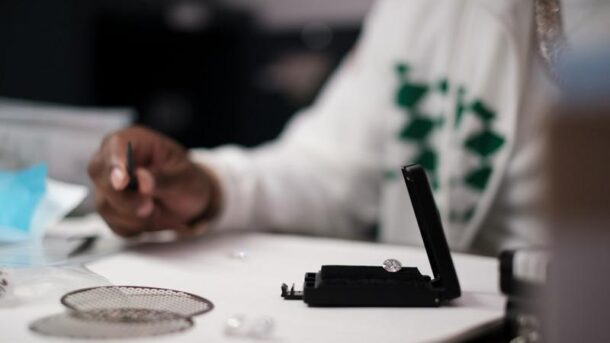
In the dazzling world of diamonds, ensuring the authenticity and quality of your gemstones is paramount. Whether you’re a gem enthusiast, a jeweler, or a buyer looking to make a significant investment, understanding diamond testers and their pricing can make all the difference. This comprehensive guide delves into the essentials of diamond testers, focusing on diamond tester prices, the process of diamond screening, and how diamond screening helps to select the best tool for your needs.
What is a Diamond Tester?
A diamond tester is a specialized tool used to determine whether a gemstone is a genuine diamond or a simulant, such as cubic zirconia or moissanite. Diamond testers work by measuring the thermal or electrical conductivity of a stone, as diamonds have unique physical properties that set them apart from other materials.
Thermal conductivity testers measure how quickly heat is conducted through the stone. Diamonds conduct heat exceptionally well, which is why these testers are highly effective. On the other hand, electrical conductivity testers are primarily used for testing moissanites, as they conduct electricity—something diamonds do not.
Types of Diamond Testers
Thermal Conductivity Testers
Thermal conductivity testers use a probe to measure how quickly heat is transferred through the gemstone. Diamonds are known for their high thermal conductivity, making this method highly effective. Brands like GemOro and Presidium offer reliable thermal conductivity testers that are popular choices among gem enthusiasts.
Electronic Diamond Testers
Electronic diamond testers use advanced electronics to measure electrical conductivity. They are particularly useful for distinguishing diamonds from moissanites, as moissanites also conduct electricity. The Presidium MultiTester III is a popular choice for its versatility in testing various gemstones, making it a valuable tool for professionals and hobbyists alike.
Combination Testers
Combination testers incorporate both thermal and electrical conductivity testing, providing a more comprehensive analysis. These testers are ideal for those who need to evaluate a range of gemstones. Devices like the GemOro Diamond Tester II offer both thermal and electrical conductivity measurements, catering to diverse testing needs.
Factors Affecting Diamond Tester Prices
The price of a diamond tester can vary significantly based on several factors, including technology, brand, and additional features.
Technology and Features
Basic Models: Entry-level testers with basic thermal conductivity features are usually more affordable. These models are suitable for casual users or those just starting in the field.
Advanced Models: High-end testers with advanced features, such as digital displays, multiple testing modes, and combination functionalities, tend to be pricier. These models are preferred by professionals and serious gem enthusiasts who require more precise and versatile tools.
Brand and Quality
Reputable Brands: Established brands like Presidium, GemOro, and GIA (Gemological Institute of America) often command higher diamond tester prices due to their reliability and accuracy. Investing in a reputable brand ensures more accurate and consistent results.
Build Quality: Higher-priced testers often have better build quality, durability, and accuracy, which can be crucial for frequent use. A well-constructed tester not only performs better but also lasts longer, making it a worthwhile investment.
Additional Accessories
Calibration Tools: Some diamond testers come with calibration tools or kits, which can add to the cost. Regular calibration is essential for maintaining accuracy and ensuring that your tester provides reliable results.
Carrying Cases: High-quality carrying cases or protective covers can also influence the overall diamond tester price. These accessories help protect your tester from damage and ensure that it remains in good condition.
Typical Price Ranges
Entry-Level Testers: These typically range from $50 to $150. They are suitable for beginners or casual users who need a basic tool for occasional testing.
Mid-Range Testers: diamond tester price for these models usually range from $150 to $400. They offer a balance of accuracy, features, and durability, making them ideal for hobbyists and professionals who need reliable performance.
High-End Testers: Premium testers can cost between $400 and $1,000 or more. These models are designed for professional use and offer advanced features, high accuracy, and durability, making them suitable for serious gem testing applications.
How to Choose the Right Diamond Tester
Selecting the right diamond tester depends on your specific needs and budget. Here are some key considerations to help you make an informed choice:
Purpose of Use
Casual Use: If you need a tester for occasional use, a basic thermal conductivity tester may suffice. These models are typically affordable and easy to use for basic testing.
Professional Use: For regular testing and professional applications, investing in a high-end or combination tester will provide more reliable results. These testers offer greater accuracy and versatility, making them suitable for more demanding gemological tasks.
Ease of Use
User-Friendly Design: Look for testers with clear instructions and easy-to-use interfaces, especially if you are new to gem testing. A user-friendly design ensures that you can operate the tester effectively without unnecessary complications.
Portability: Consider the size and portability of the tester if you need to carry it to different locations. Compact and lightweight testers are more convenient for on-the-go use, while larger models may be better suited for stationary testing.
Accuracy and Reliability
Precision: Ensure the tester provides accurate readings and is capable of distinguishing between diamonds and other simulants effectively. Precision is crucial for reliable testing results.
Calibration: Check if the tester requires regular calibration and whether it comes with the necessary tools. Regular calibration is essential for maintaining accuracy and ensuring that the tester continues to perform optimally.
The Diamond Screening Process
Diamond screening is a crucial step in verifying the authenticity of gemstones. Here’s an overview of the process:
Initial Inspection
Visual Check: Start by examining the stone under a magnifying glass or loupe to look for inclusions, color, and cut quality. While not definitive, this can provide diamond screening initial clues about the stone’s authenticity and help you decide whether further testing is needed.
Testing with a Diamond Tester
Thermal Conductivity Test: Use a thermal conductivity tester to measure how heat passes through the stone. Diamonds will typically show a high reading, indicating their authenticity. This method is effective for quickly distinguishing genuine diamonds from simulants.
Electrical Conductivity Test: For stones suspected to be moissanites, use an electronic tester to measure electrical conductivity. Moissanites will show different results compared to diamonds, allowing for accurate identification.
Cross-Verification
Additional Tests: For a more thorough analysis, consider using other gemological tests, such as spectroscopy or refractometry, to verify the results from the diamond tester. These additional tests can provide further confirmation of a gemstone’s authenticity.
Consulting Experts
Professional Appraisal: If you are unsure about the results or need a definitive assessment, consulting a professional gemologist or appraiser can provide additional verification. Experts can offer in-depth analysis and insights that go beyond basic testing.
Conclusion
Choosing the right diamond tester and understanding diamond tester price ranges are essential for anyone involved in the world of gemstones. By diamond screening a high-quality tester and following a systematic diamond screening process, you can ensure that your diamonds are genuine and avoid costly mistakes.
Whether you are a casual buyer, a jeweler, or a gem enthusiast, investing in a reliable diamond tester will enhance your ability to evaluate diamonds accurately. With the right tool in hand, you can confidently navigate the world of gemstones and make informed decisions, ensuring that every investment in diamonds is a sparkling success.